
Social Media Marketing
Best social media marketing agency
Best social media marketing services
What is Social Media Marketing?
Social media marketing is an important part of digital marketing that helps businesses connect with their audience on platforms like Facebook, Instagram, LinkedIn, and Twitter. It involves sharing engaging content, running paid ads, and interacting directly with customers to build brand awareness and increase sales. Social media marketing works closely with SEO (Search Engine Optimization) because both focus on improving a brand’s online visibility. While SEO helps a business rank higher in search engine results by optimizing website content and using relevant keywords, social media marketing helps drive traffic to the website by sharing posts and links. Together, they create a strong digital presence that attracts more visitors, builds trust, and improves search rankings, helping businesses grow in today’s competitive online market.Social Media Marketing is when a business shares photos, videos, posts, or ads on social media to get more followers, increase brand awareness, attract customers, and get more sales.
Content Creation and Strategy
Content is the most important part of Social Media Marketing. Without good content, people won’t follow or engage with your brand. The key is to share a mix of helpful, entertaining, and promotional posts. For example, a kids’ clothing store can post product photos, styling tips, customer reviews, behind-the-scenes videos, and reels showing kids wearing the clothes. Planning a content calendar helps you stay consistent and post regularly (at least 3–5 posts a week). Using simple and attractive captions with clear calls-to-action (like “DM to order” or “Shop Now”) makes your posts more effective.
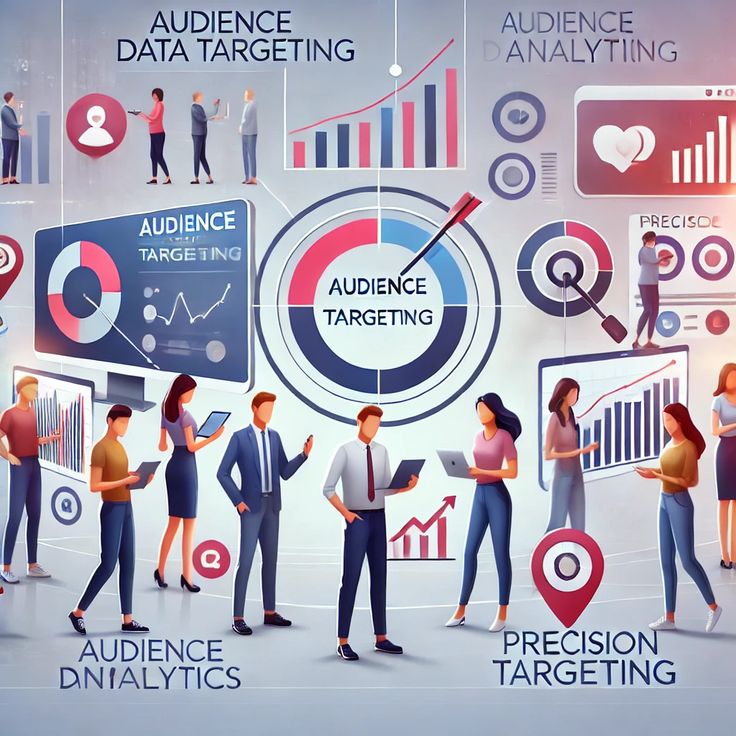
Audience Targeting
Knowing who your audience is, helps you show your posts and ads to the right people. Social media tools allow you to target people by age, location, interests, and online behavior. For instance, if you sell trendy clothes for kids, you should target parents aged 25–40 who follow fashion or parenting pages. When the right people see your posts, engagement and sales increase automatically. Audience targeting is especially useful for running paid ads where showing the wrong audience wastes your budget.
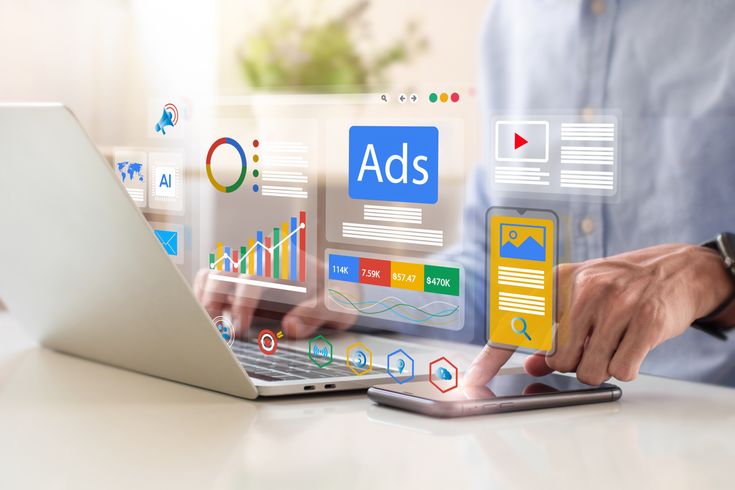
Paid Advertising (Social Media Ads)
Paid advertising helps your business grow faster. Instead of waiting for organic reach, you can pay to show your product to more people who may not know you yet. You can run image ads, video ads, story ads, or carousel ads to show multiple products in one ad. For example, you can run an ad offering a 10% discount on new arrivals for one week. The best practice is to start small (₹500 – ₹1,000 per day), test different ads, and see what gets the most clicks or sales. Paid ads are useful for quick promotions or reaching new audiences.
Influencer Marketing
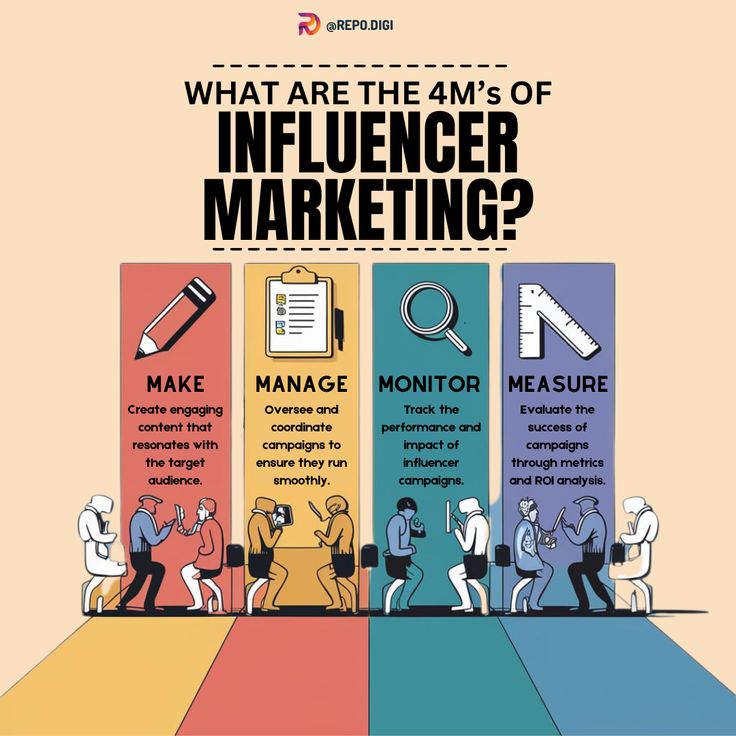
Influencers are people with followers who trust them. Partnering with small influencers (5k–20k followers) is effective for local businesses. Influencers can create posts or reels showing your product and tag your page. People trust influencers more than ads, so it brings more attention and trust. Always choose influencers whose followers match your target audience. Also, check their engagement rate (good is above 5%) to avoid fake accounts.

Social Media Analytics and Reporting
To know if your strategy works, you must track key metrics like Reach (how many people saw your post), Engagement (likes, comments, shares), Follower Growth (new followers gained), and Clicks (how many visited your website). By checking these numbers regularly, you can see what type of posts work best. For example, if videos about “How to style kids for parties” get more engagement than product images, you should focus more on making videos. Analytics helps you avoid wasting time on ineffective posts and improve over time.

Organic Growth Techniques
Organic growth means growing your followers and engagement without spending money. It works best when you are consistent in posting high-quality content. Using relevant hashtags helps new people discover your posts. Also, actively replying to comments and DMs builds a personal connection with your audience. Collaborating with other local brands or influencers is another way to increase followers without ads. For example, you can send free products to a local blogger in exchange for a post. Over time, these small efforts help you build a strong, loyal audience.
Community and Reputation Management
A strong community makes your business trustworthy. Always reply to comments and DMs quickly in a polite way. Solving customer problems on social media shows you care about them. In case of negative reviews, respond professionally: Apologize, offer to solve the problem, and avoid being defensive. Example: “We are sorry for the trouble. Please DM us your order details, and we’ll fix it ASAP.” Good community management turns customers into long-term fans.

Trend Analysis
Social media trends change fast. It is important to stay updated by following trending hashtags or viral challenges. New features, like Instagram Reels or Twitter Spaces, help reach more people. For example, if the “Back to School” trend is popular, post a collection of school uniforms. Using trends shows that your brand is active and connected to what people care about today.
Platform-Specific Strategy
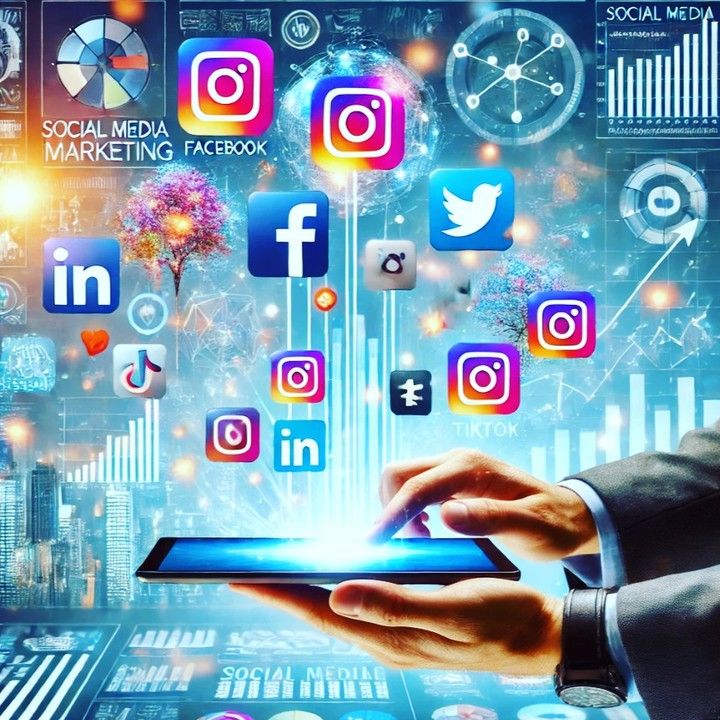
Each social media platform works differently.
Instagram → Best for visual content like photos, reels, and stories
Facebook → Useful for groups, paid ads, and community building
LinkedIn → Best for professional services and B2B marketing
Twitter → Real-time news, trends, and interactions
Final Pro Advice:
Social Media Marketing is simple when you follow a clear plan.
✅ Post valuable content regularly
✅ Interact with your audience in a friendly way
✅ Use a mix of paid ads and organic techniques
✅ Track results and improve step by step
✅ Stay updated with the latest trends
Social Media Marketing (SMM) is an essential part of any modern digital marketing strategy. It goes beyond simple content posting by combining targeted campaigns, strategic planning, and data-driven decisions to engage your audience effectively. As a core component of digital marketing, SMM helps businesses increase brand awareness, drive website traffic, and generate high-quality leads through platforms like Facebook, Instagram, LinkedIn, and Twitter. By integrating paid ads, influencer partnerships, and consistent content creation, social media becomes a powerful tool that amplifies your overall digital presence and drives measurable business growth.